Khafif Mehndi Design is redefining bridal beauty in 2026. Unlike heavy, filled patterns, khafif mehndi focuses on delicate linework, open spaces, and intricate detailing that looks refined rather than overwhelming.
Modern brides are choosing it precisely because it complements contemporary outfits, suits shorter ceremonies, and photographs beautifully without competing with the dress or jewelry.
The Royal Intricate Back Hand Khafif Design
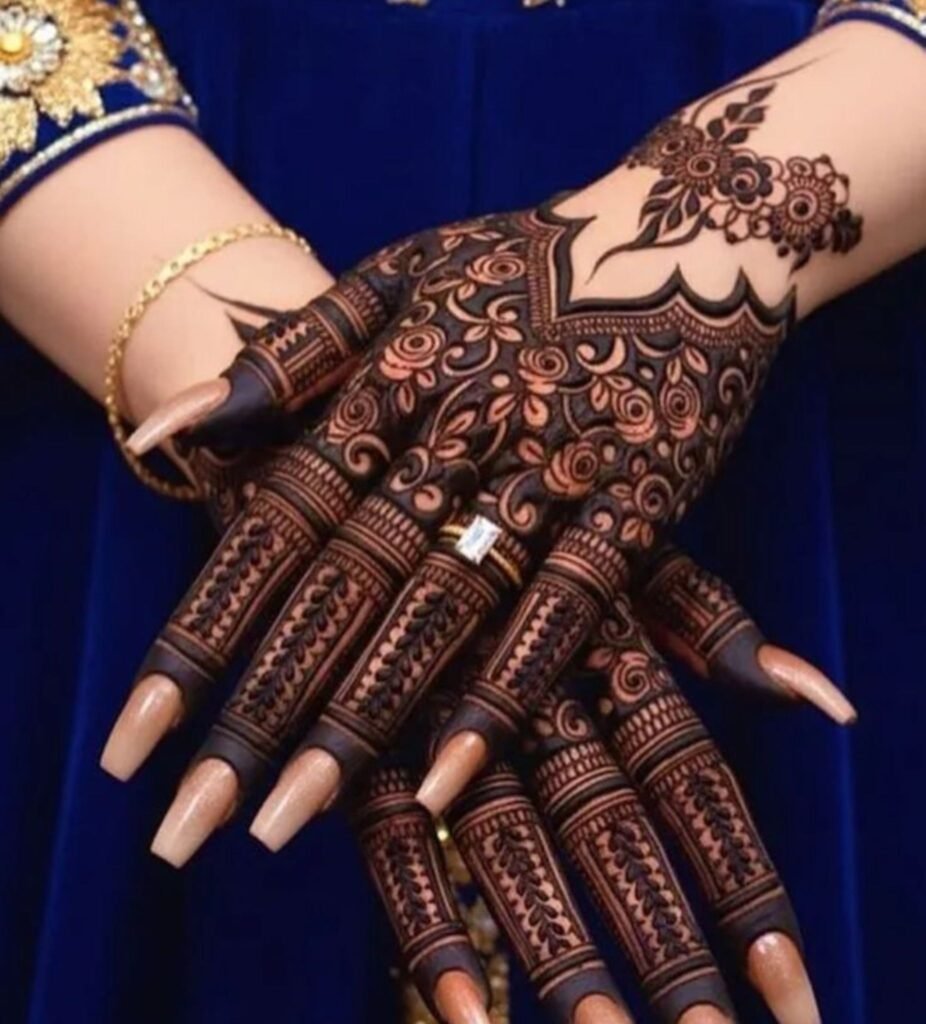
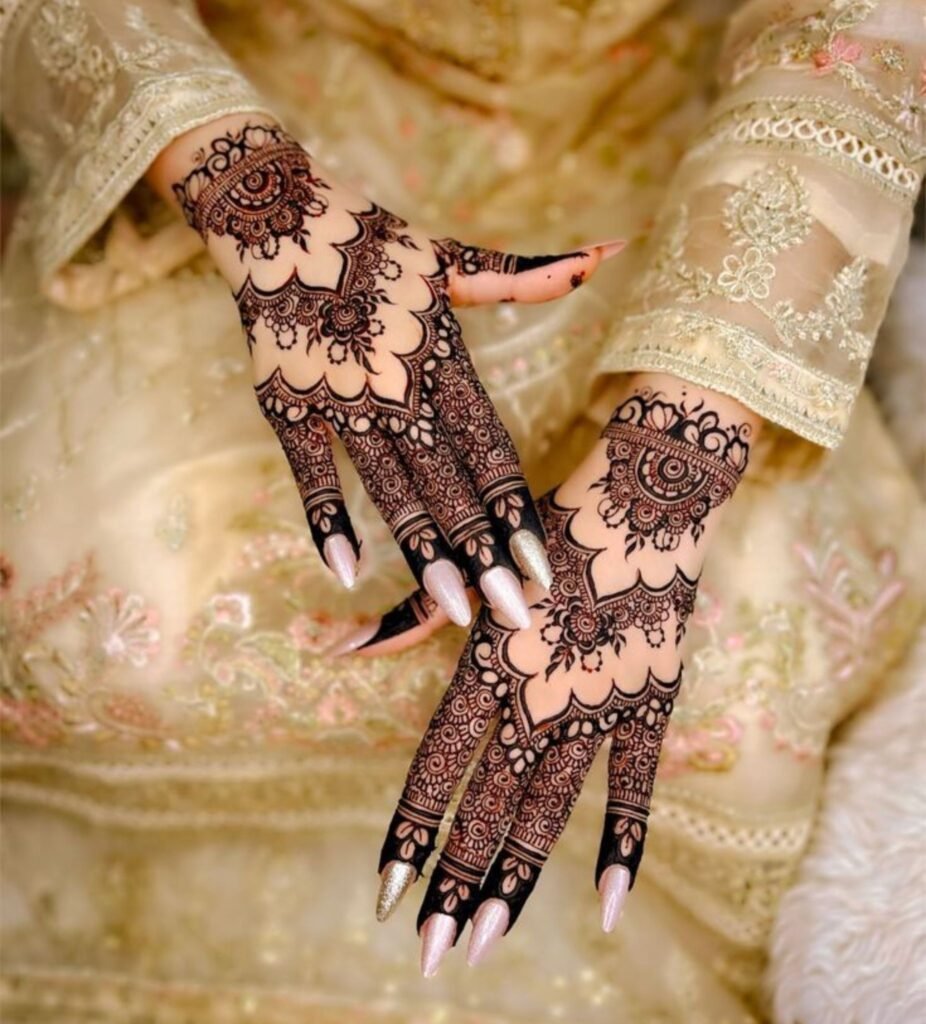
This design centers on the back of the hand with a central motif, usually a mandala or floral medallion, surrounded by fine trailing vines that reach up toward the wrist and fingertips. The lines are thin, clean, and evenly spaced, giving the hand a jeweled appearance without the heaviness of traditional full coverage.
What makes this style royal is its symmetry. Each vine mirrors the other, each petal is placed with intention. The wrist area typically carries a delicate bracelet line detail that ties the entire design together. For brides who want presence without excess, this back hand composition delivers exactly that.
Minimalist Finger Style Khafif Patterns
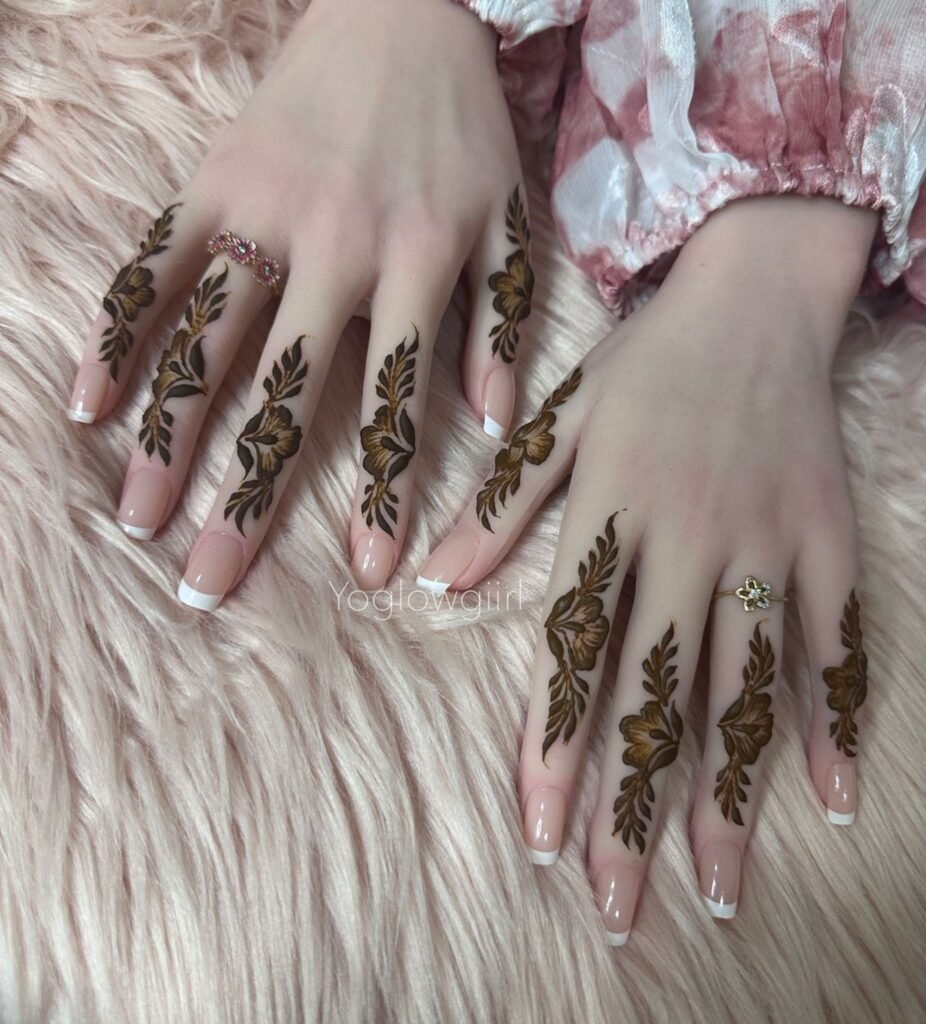
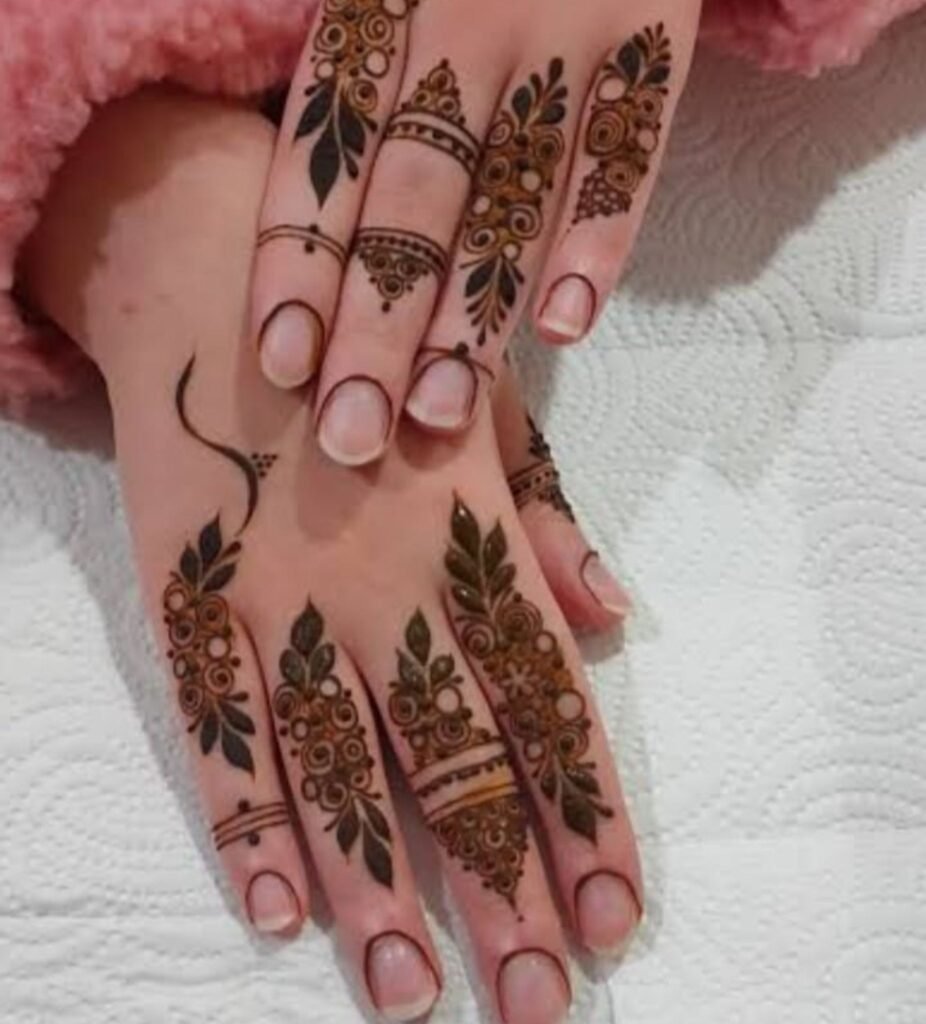
Finger mehndi has grown into a standalone art form. In the Khafif Mehndi Design, only the fingers receive design, while the palm remains bare or features just a small central motif. Each finger gets its own pattern, such as geometric bands, tiny floral clusters, or dotwork details, creating a stacked ring effect that looks intentional and modern.
This style is ideal for brides who prefer understated elegance or for functions other than the main wedding, such as engagement ceremonies or bridal showers. It is also a popular choice among guests who want to participate in the mehndi tradition without committing to a full design.
Floral Fusion Arabic Meets Khafif Mehndi Design
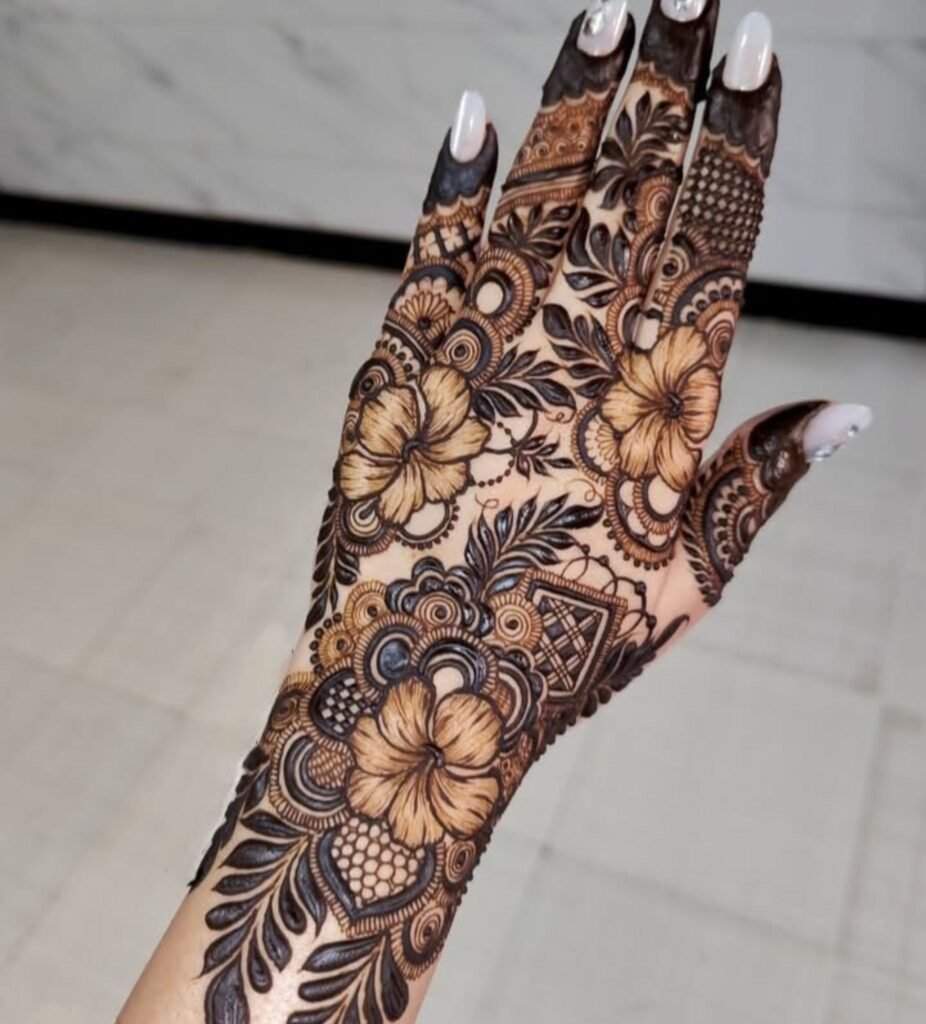
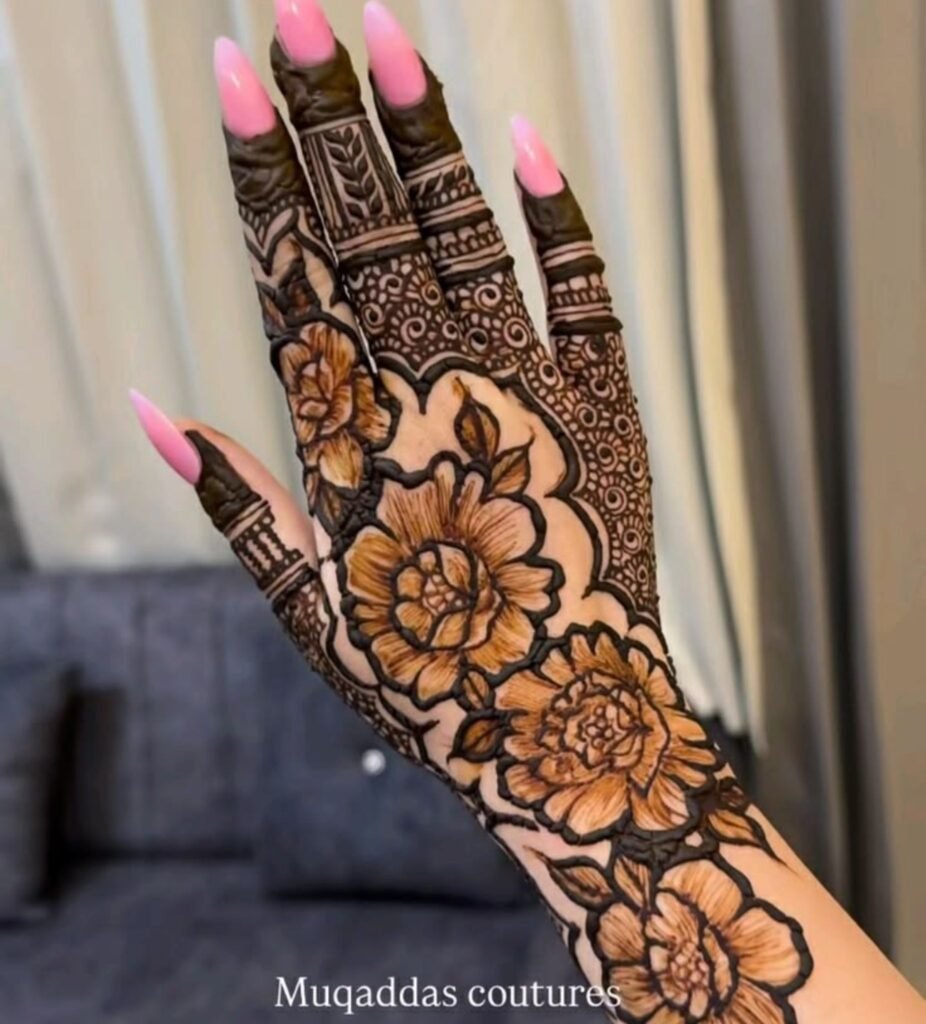
Arabic mehndi is known for its bold florals and flowing composition. When merged with the khafif approach, the result is a lighter, more breathable version of Arabic style where flowers are outlined but not filled, leaves are drawn with single strokes, and spacing between elements is used as a design tool rather than empty space.
This fusion style typically runs diagonally from one corner of the hand to the other, with roses, lotuses, or daisies as focal points. The stems and leaves connecting them are drawn in the thinnest possible lines. The overall effect is romantic and airy, and it works particularly well on brides with medium to large hands where the design has room to flow naturally.
The Delicate Jewelry Style Khafif Design
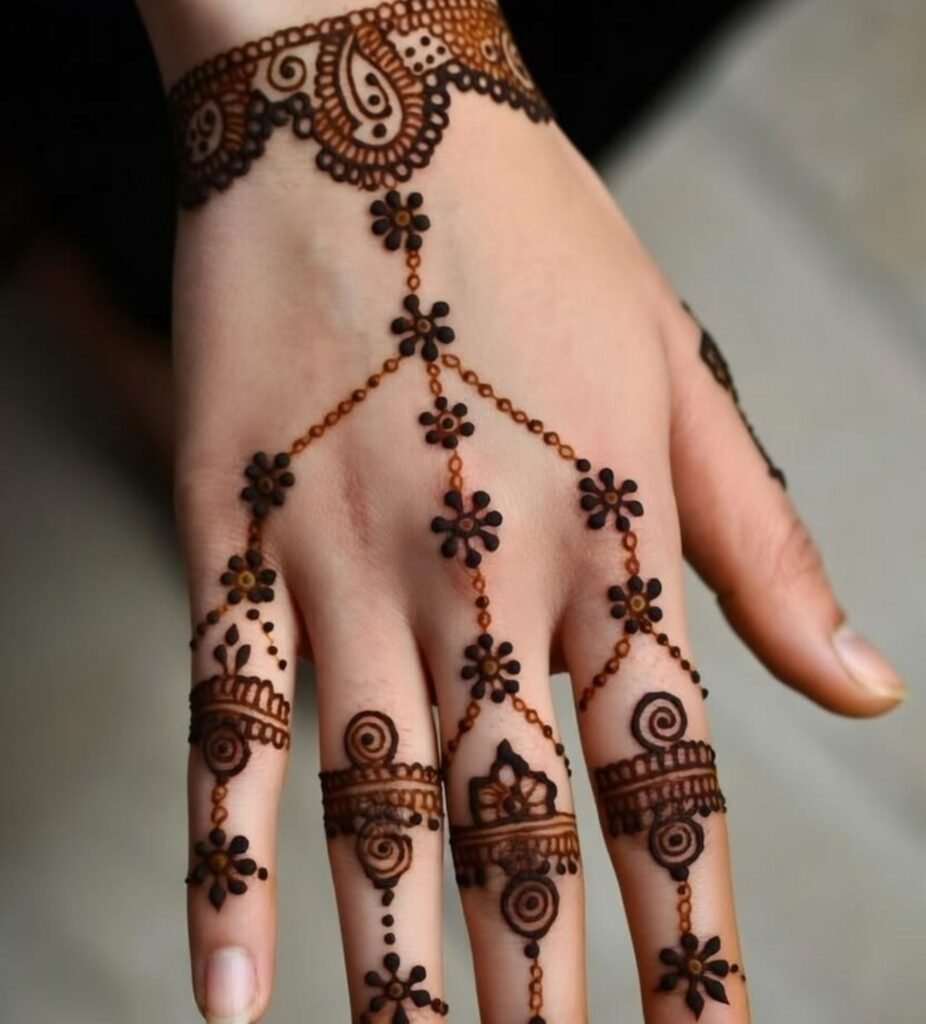
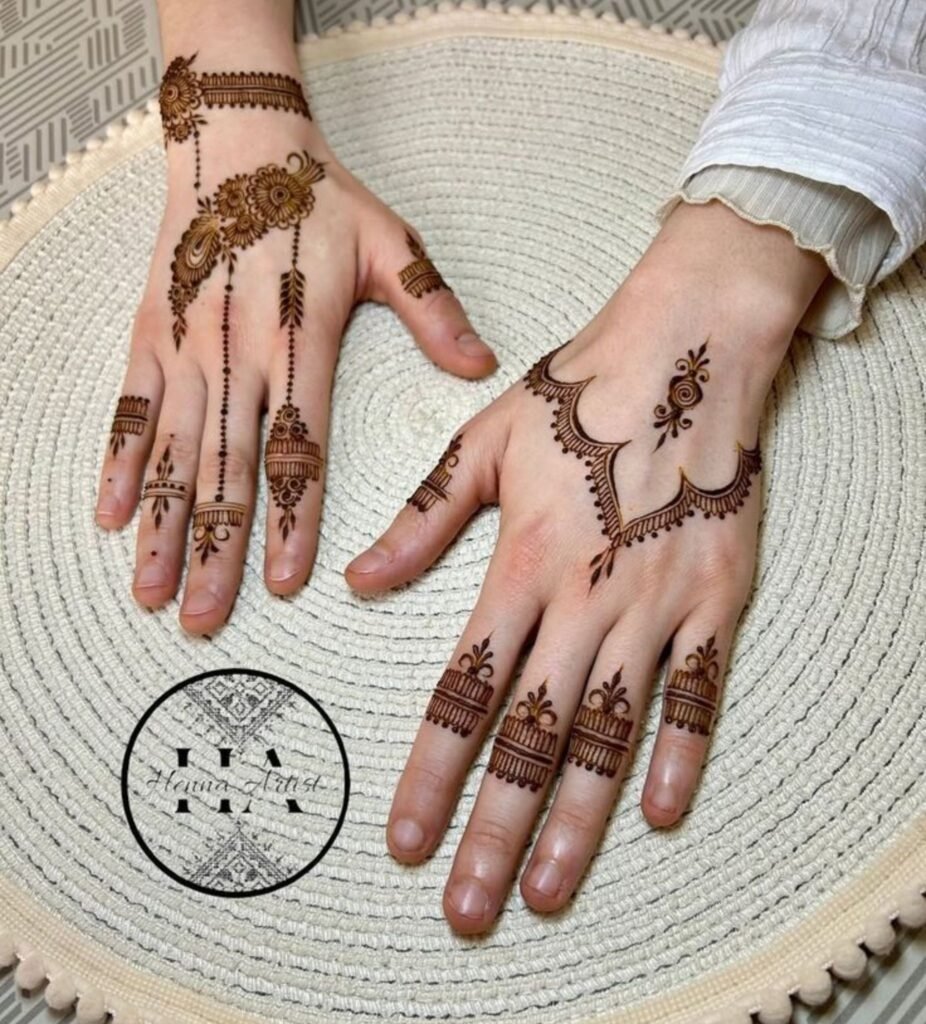
Jewelry style mehndi imitates the look of actual accessories, including rings, bangles, bracelets, and maang tikka, drawn entirely with mehndi. In the khafif version, every element is rendered in hairline strokes with intricate interior detailing that mimics the texture of gold filigree.
A typical jewelry style Khafif Mehndi Design on the palm includes a finger ring on the middle finger connected by a fine chain to a wrist cuff, which then extends into a bracelet pattern. Tiny diamonds, dots, and paisley motifs fill the chain links. When done correctly, this design looks like actual jewelry placed on the skin, making it one of the most visually stunning options in the khafif family.
Full Palm Symmetrical Khafif Masterpiece
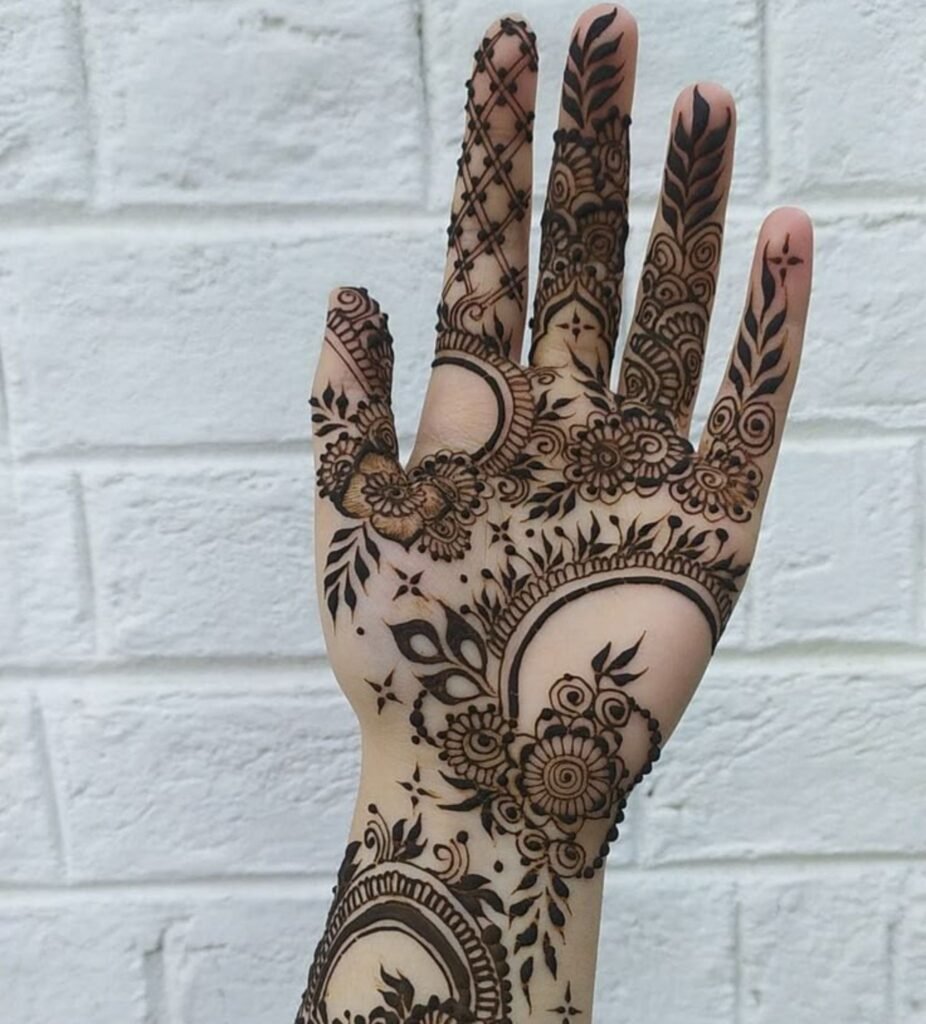
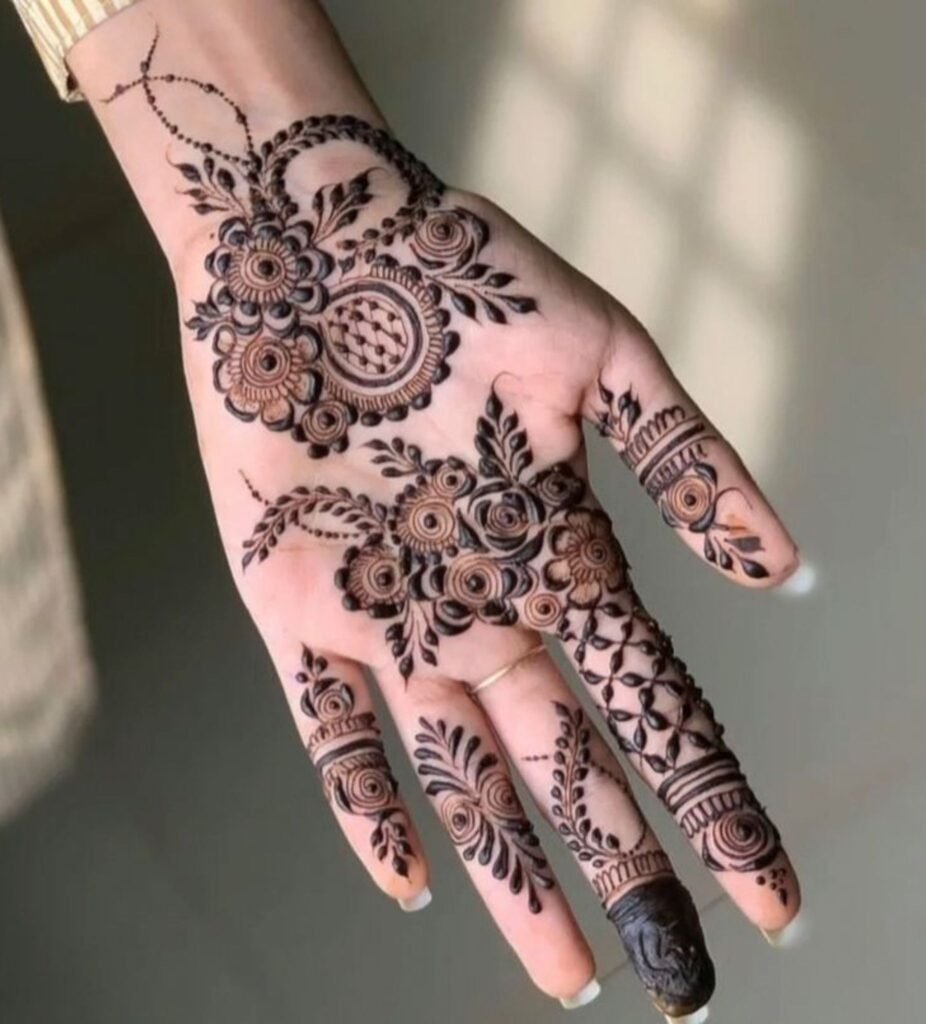
For brides who want full coverage without density, the full palm symmetrical khafif design is the answer. This style fills the entire palm using a grid-like composition where every element on the left side is mirrored on the right. The center of the palm features a large mandala or geometric pattern, and from there, vines, paisleys, and florals radiate outward toward the fingers and wrist.
The key distinction from traditional full palm designs is negative space. In khafif mehndi, the spaces between motifs are just as deliberate as the motifs themselves. This restraint is what keeps the design light despite covering the entire hand.
Expert Tips for Perfect Khafif Results
Getting khafif mehndi right requires technique and preparation. Here is what experienced artists recommend:
- Use a fine-tipped cone with a very small opening. A medium or large tip will never produce the thin lines that khafif demands.
- Practice pressure control on paper before applying to skin. The cone should glide, not press.
- Always apply mehndi on clean, dry, and oil free skin. Moisturized skin resists color absorption.
- Leave the dried paste on for a minimum of six to eight hours, ideally overnight, for the deepest possible stain.
- Once the paste is removed, apply a thin layer of lemon and sugar mixture to seal the design and boost color development.
- Avoid water contact for at least twelve hours after paste removal. Even brief exposure dulls the final shade.
- Wrap the design loosely with tissue before sleeping to protect the paste without smudging it.
Final Thoughts
Khafif Mehndi Design is not a trend that fades quickly. Its emphasis on precision, elegance, and artistic restraint makes it a timeless choice for brides, guests, and mehndi enthusiasts alike. Whether you choose a minimalist finger pattern or a full symmetrical composition, the philosophy remains the same: less is more, and every line matters.
Try one of these styles for your next occasion and share your experience in the comments below. The MehndiChic community would love to see your designs.