A Bengali mehndi design can add an elegant touch to wedding celebrations, festivals, and special occasions. Bengali-inspired mehndi can range from simple floral patterns to detailed bridal artwork, depending on how much coverage and detail you prefer.
Traditional Bengali bridal beauty is also closely associated with Alta, the red dye traditionally used on the hands and feet. Modern brides can bring these influences together with mehndi to create a look that feels both cultural and contemporary.
Bengali Mehndi Design: Traditional & Modern Ideas
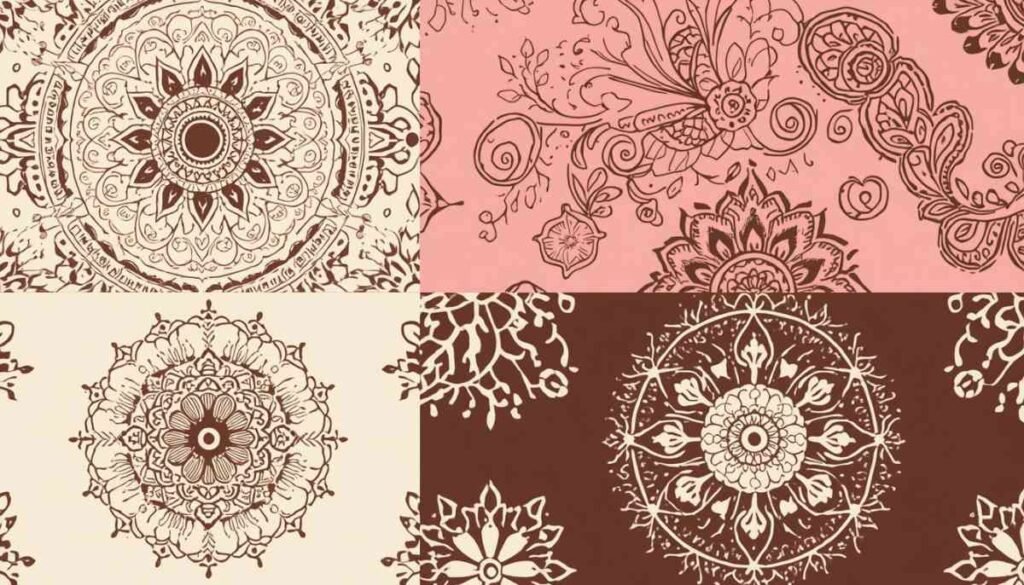
Bengali mehndi designs offer plenty of room to mix traditional inspiration with modern patterns. You can keep the artwork light and minimal or build a richer design with flowers, paisleys, and other decorative elements. The key is choosing motifs that complement your outfit and overall bridal style.
Simple Bengali Mehndi Design
A Bengali mehndi design simple and beautiful style is perfect when you want something elegant without covering the entire hand. Small flowers, leaves, dots, and circular motifs can create a delicate pattern while leaving enough natural skin visible.
A small central design on the palm with thin vines extending toward the fingers or wrist is another easy option. This style works especially well for smaller celebrations or anyone who prefers minimal mehndi.
Traditional Bengali Mehndi Design
A traditional-inspired Bengali design can include circular palm motifs, decorated fingertips, flowers, vines, and detailed borders. These elements can create a graceful appearance without making the pattern unnecessarily heavy.
For a stronger Bengali touch, you can take inspiration from traditional hand decoration while using modern henna techniques to create the overall design.
Bengali Alta and Mehndi Design
Combining Alta-inspired elements with mehndi creates an interesting blend of traditional and contemporary styles. A red circular motif can be used as a focal point on the palm, with delicate henna artwork surrounding it.
You can also keep the hands decorated with mehndi while adding red Alta-style details to the fingertips or edges. This combination can work particularly well with a traditional Bengali bridal outfit.
Bengali Mehndi Design for Front and Back Hands
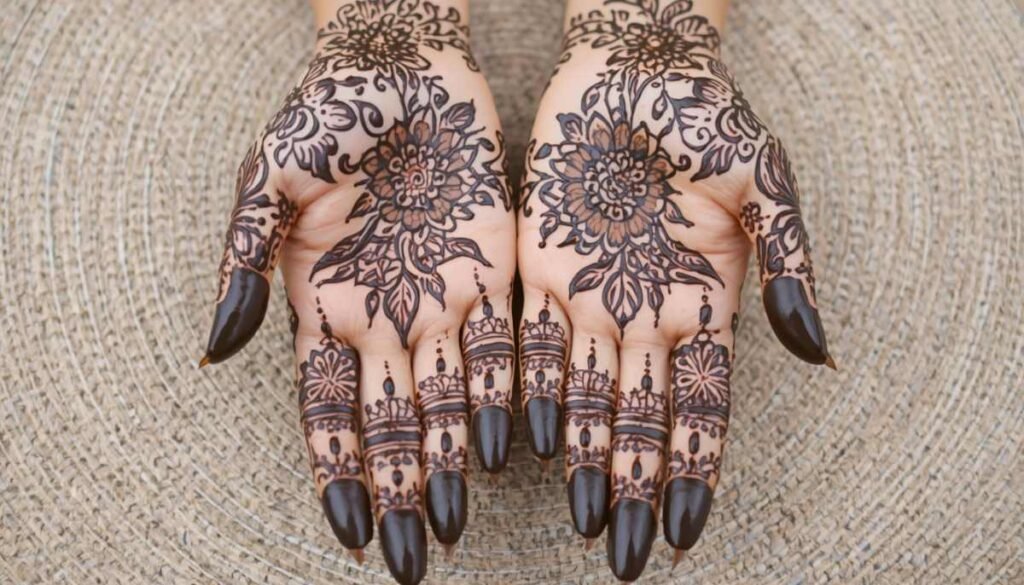
The front and back of the hands give you different opportunities for creating your design. The front hand can carry a stronger central motif, while the back hand can use flowing patterns and more open space. Combining different levels of detail keeps the overall look balanced.
Simple Full-Hand Bengali Mehndi Design
A full-hand design does not have to be extremely dense. Start with a central flower, mandala, or paisley and connect it with smaller motifs toward the fingers and wrist.
Leaving small areas of skin between the patterns gives the design a lighter appearance while still covering most of the hand.
Bengali Floral Mehndi Design
Floral patterns are a versatile choice for both simple and bridal mehndi. Large flowers can create a bold focal point, while smaller blossoms connected with leafy vines give a softer appearance.
A diagonal floral arrangement moving from the wrist toward the fingers can also make the hand look longer and more graceful.
Bengali Peacock Mehndi Design
A peacock can make an attractive centerpiece for bridal mehndi because its curved body and detailed feathers naturally follow the shape of the hand.
For a detailed design, the peacock can be surrounded by flowers and paisleys. For something simpler, use a small peacock with a few leaves and curved lines.
Bengali Mandala and Paisley Design
A mandala creates a circular focal point in the middle of the palm, while a paisley can add a flowing shape along the side of the hand. Using the two together creates a balanced design with both geometric and curved details.
For a minimal look, keep the mandala small and use a single paisley near the wrist. A bridal version can include additional fine lines, flowers, and dots.
Bengali Arabic and Indo-Arabic Design
Arabic and Indo-Arabic patterns are useful if you want a more open and flowing appearance. Floral vines, paisleys, and curved arrangements can move diagonally across the hand without filling every space.
Adding Bengali-inspired details or a small Alta-style accent can give these contemporary patterns a more personal connection to Bengali bridal styling.
Also Read :
Trending Mehndi Patterns for Girls
Bengali Bridal Mehndi Design for Hands, Feet & Legs
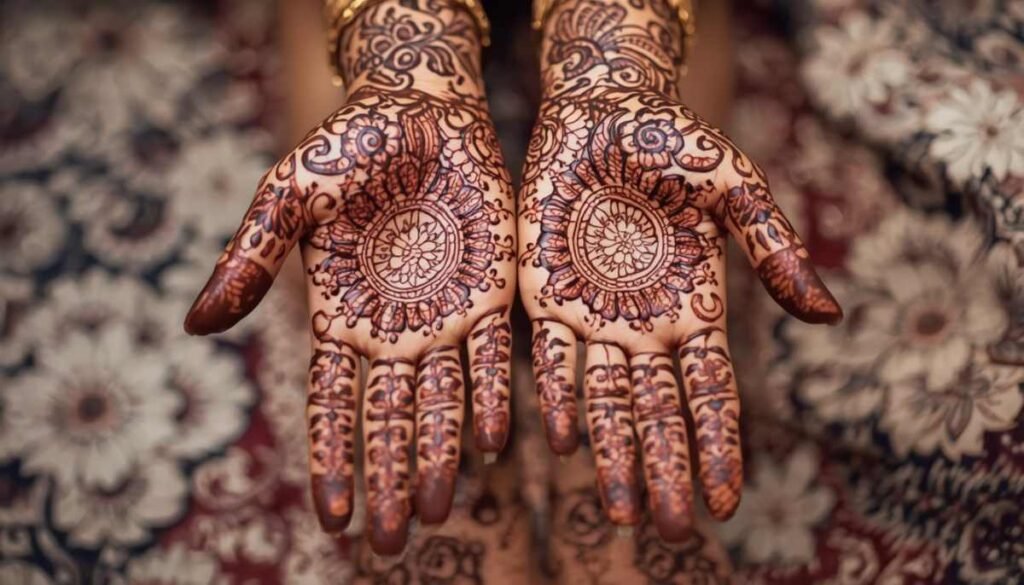
Bridal mehndi can be more detailed than everyday designs, especially when it is intended to complement wedding clothing and jewelry. Bengali brides can choose everything from delicate patterns to elaborate artwork across the hands, feet, and legs.
The design does not need to be equally dense everywhere. A detailed hand pattern can be balanced with simpler decoration on the feet or legs for a more polished overall look.
Bengali Bridal Mehndi Design
A Bengali bridal design can combine flowers, peacocks, paisleys, mandalas, vines, and fine decorative details. You can use one large central motif or create a connected composition that flows from the fingertips to the wrist.
For a traditional-inspired appearance, circular motifs and detailed fingertips can be incorporated into the design while keeping the rest of the pattern contemporary.
Bride and Groom Mehndi Design
Bride-and-groom artwork can make wedding mehndi more personal. The figures can be placed on opposite palms or incorporated into a larger floral composition.
Because portrait designs require more detail, it is often better to keep the surrounding motifs balanced rather than filling every available space.
Bengali Mehndi Design for Feet and Legs
Mehndi can also be extended to the feet and legs for a more complete bridal look. Simple circular motifs, flowers, vines, and decorative borders can be arranged around the feet without making the pattern too heavy.
If you prefer a traditional Bengali appearance, you can use Alta-inspired red patterns on the feet or combine them with henna artwork.
Minimal Bengali Bridal Mehndi Design
A minimalist bridal design is a good option if you want your mehndi to complement rather than dominate your wedding look. Choose one or two strong motifs, such as a flower, paisley, mandala, or small peacock.
Negative space can make the artwork look cleaner and also allows bridal rings, bangles, and other jewelry to stand out.
How to Choose the Best Bengali Mehndi Design
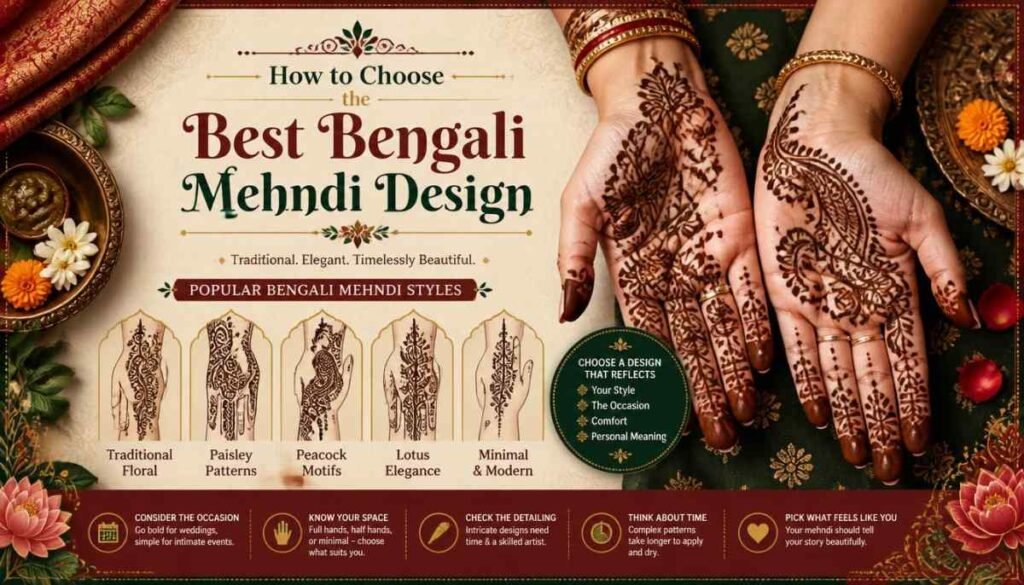
The best design depends on your occasion, outfit, and preferred level of detail. Before choosing a pattern, decide whether you want a simple design with plenty of open space or a fuller bridal style with intricate artwork.
It is also worth considering how the design will work with your jewelry and clothing. A detailed front hand paired with a lighter back hand can create balance, while coordinated patterns on the hands and feet can give a bride a more complete look.
Choosing a Simple or Detailed Design
Choose a simple design if you have limited time or prefer a clean, modern appearance. Flowers, small paisleys, vines, and circular motifs can create plenty of visual interest without requiring extensive coverage.
For a traditional bridal look, you can choose a fuller pattern with peacocks, mandalas, jaal details, flowers, and other connected motifs.
Matching Mehndi With Your Outfit and Jewelry
Your mehndi can either complement your bridal outfit or provide a contrasting decorative element. If your clothing and jewelry are already heavily detailed, a design with some negative space can prevent the overall appearance from feeling too busy.
For a more traditional Bengali look, consider incorporating red Alta-inspired details alongside your mehndi.
Final Thoughts
The best Bengali mehndi design does not have to be complicated. Simple flowers, circular motifs, elegant back-hand patterns, peacocks, mandalas, and detailed bridal artwork can all create a beautiful look.
For a traditional appearance, consider Alta-inspired elements, circular motifs, and floral details. For a modern style, try negative space, minimalist patterns, or Indo-Arabic designs. Choose the combination that feels natural with your outfit, jewelry, celebration, and personal style.
Frequently Asked Questions About Bengali Mehndi Design
People often have questions about how Bengali mehndi differs from other henna styles and which designs work best for weddings. These quick answers can help you choose a pattern that fits your occasion and preferred style.
Is Mehndi a Bengali Tradition?
Mehndi is popular among many Bengali brides today, while Alta has a strong traditional connection with Bengali bridal styling. Modern brides may choose Alta, mehndi, or a combination of both.
Which Bengali Mehndi Design Is Best?
There is no single best design. Simple floral and circular patterns are ideal for a lighter look, while peacock, mandala, paisley, and full-hand designs work well for more detailed bridal mehndi.
What Is a Simple Bengali Mehndi Design?
A simple design uses a small number of clear motifs instead of covering the entire hand. A flower, paisley, small mandala, or circular design with delicate leaves can create an elegant result.
Which Design Is Best for the Back Hand?
Floral vines, symmetrical patterns, paisleys, and small mandalas work particularly well on the back hand. Leaving some skin uncovered can make the design look cleaner.
Can Bengali Mehndi Be Used on the Feet?
Yes. Flowers, circular motifs, vines, borders, and Alta-inspired patterns can all be used to create attractive Bengali-inspired foot designs.
Can Alta Be Combined With Mehndi?
Yes. Red Alta-inspired details can be paired with henna to create a look that combines traditional Bengali decoration with modern mehndi artwork.