For every bride, the wedding day is a tapestry of traditions, emotions, and exquisite fashion. While there are various styles to choose from, the Arabick bridel mehndi design has emerged as a global favorite. Known for its flowing lines, bold floral motifs, and the strategic use of empty space, this style offers a perfect blend of modern chic and traditional grace.
If you are a bride to be in 2026, or an artist looking for fresh inspiration, this guide explores the latest trends, the unique characteristics of Arabic henna, and essential tips for the perfect bridal stain.
Trending Arabic Bridal Mehndi Designs for 2026
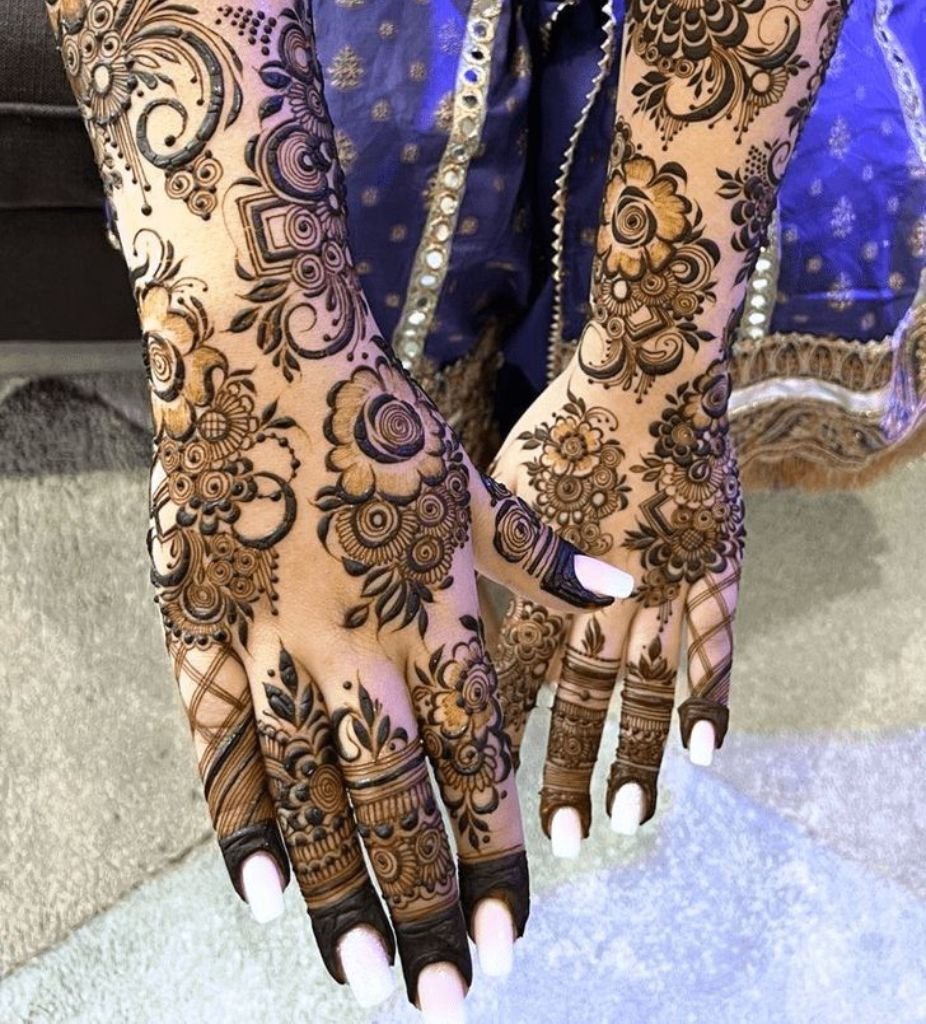
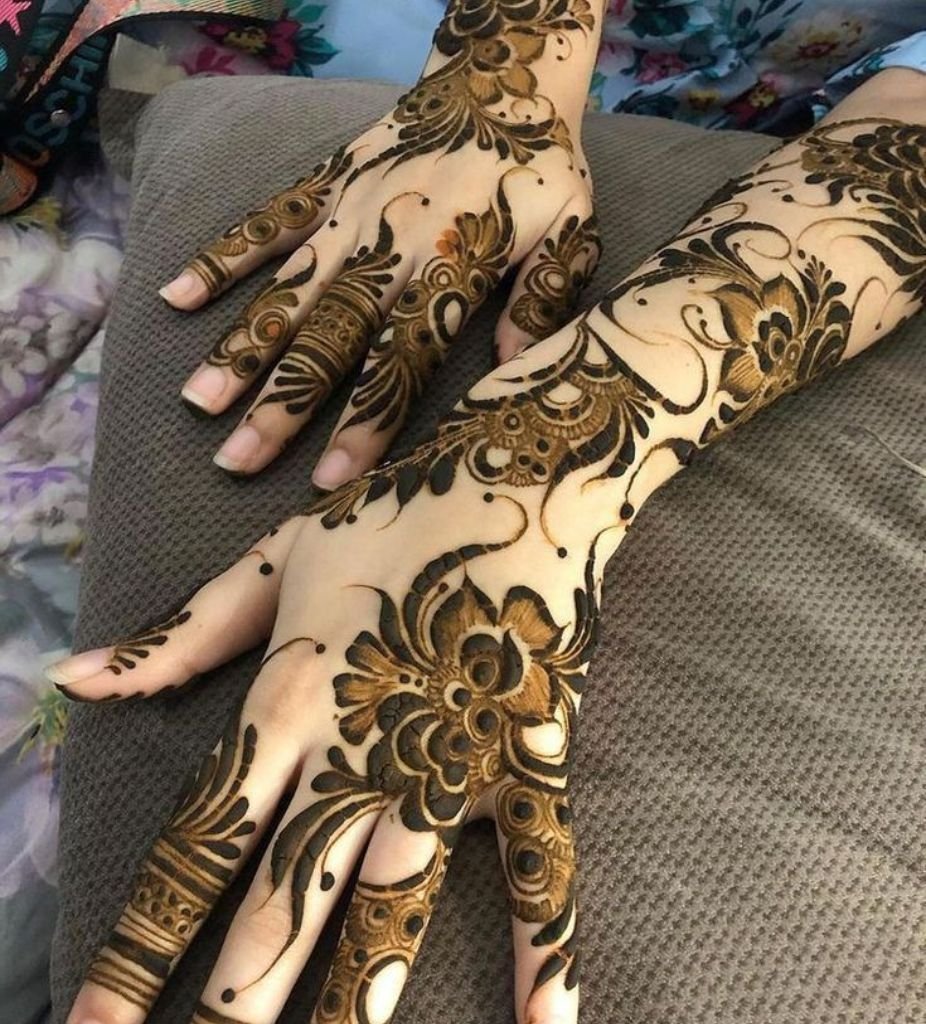
Fashion is ever evolving, and 2026 is seeing a beautiful shift toward “fusion” and “minimalist luxury.” Here are the top trends you should know:
1. The Heavy Khaleeji Style
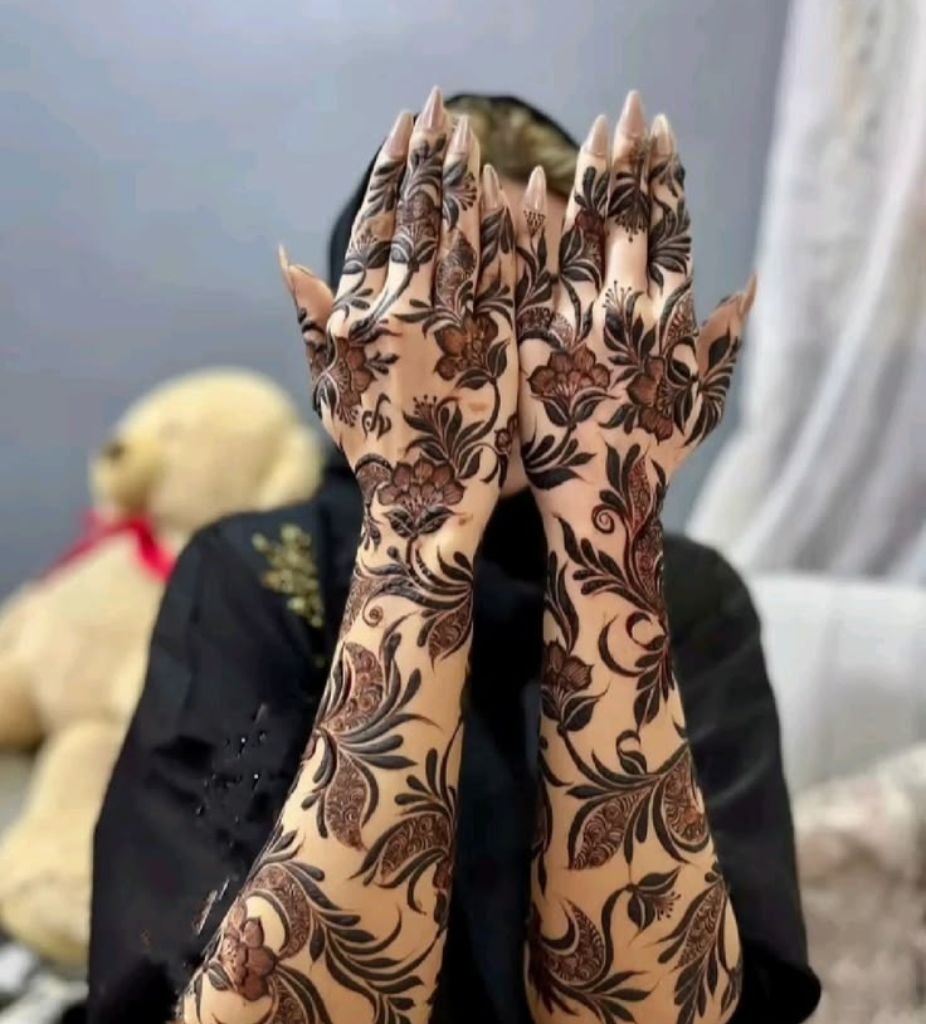
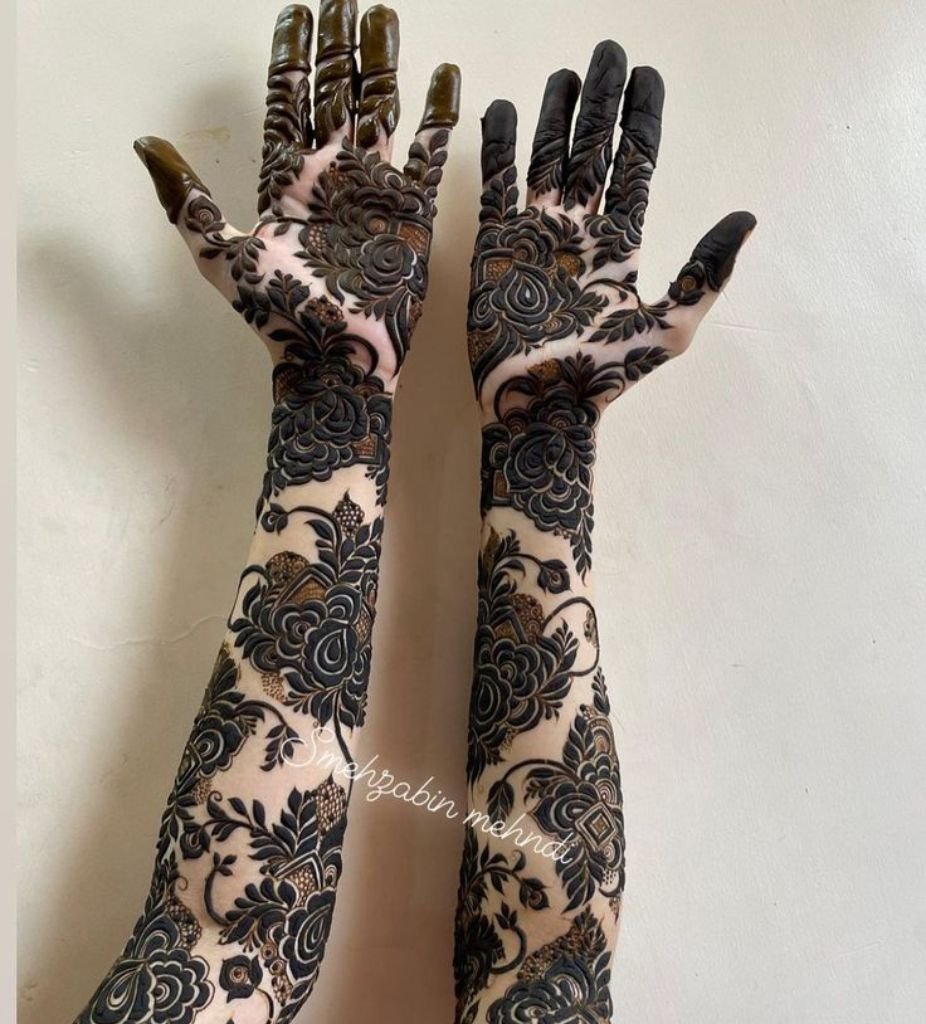
Originating from the Gulf region, the Khaleeji style is the most dramatic version of the Arabick bridel mehndi design. It features large, bold floral clusters and deep shading. For a bride who wants her hands to be the center of attention, this heavy style provides a regal and authoritative look.
2. Minimalist Jewelry Inspired Patterns
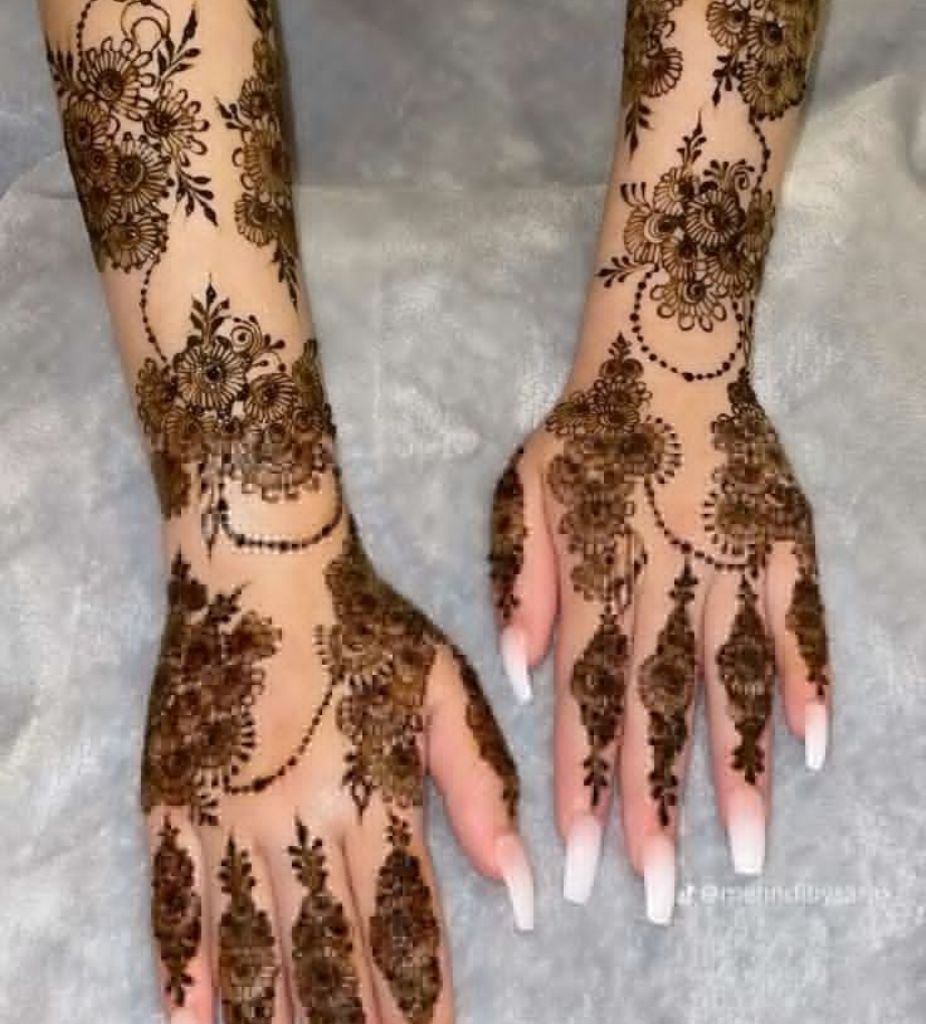
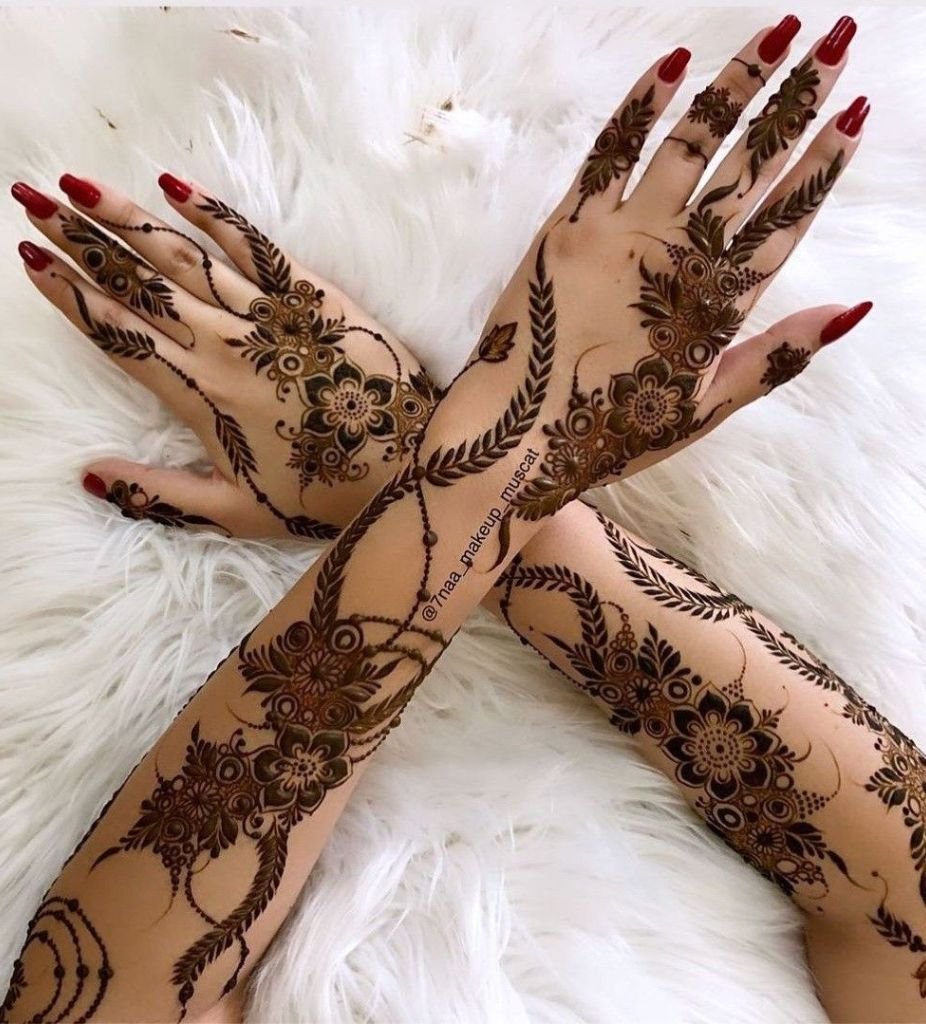
Many modern brides are opting for the “less is more” approach. These designs mimic the look of hand jewelry (Haath Phool) or delicate bracelets. A thin vine connecting a ring like pattern on the finger to a decorative wristband is a top tier choice for a contemporary wedding look.
3. Indo Arabic Fusion
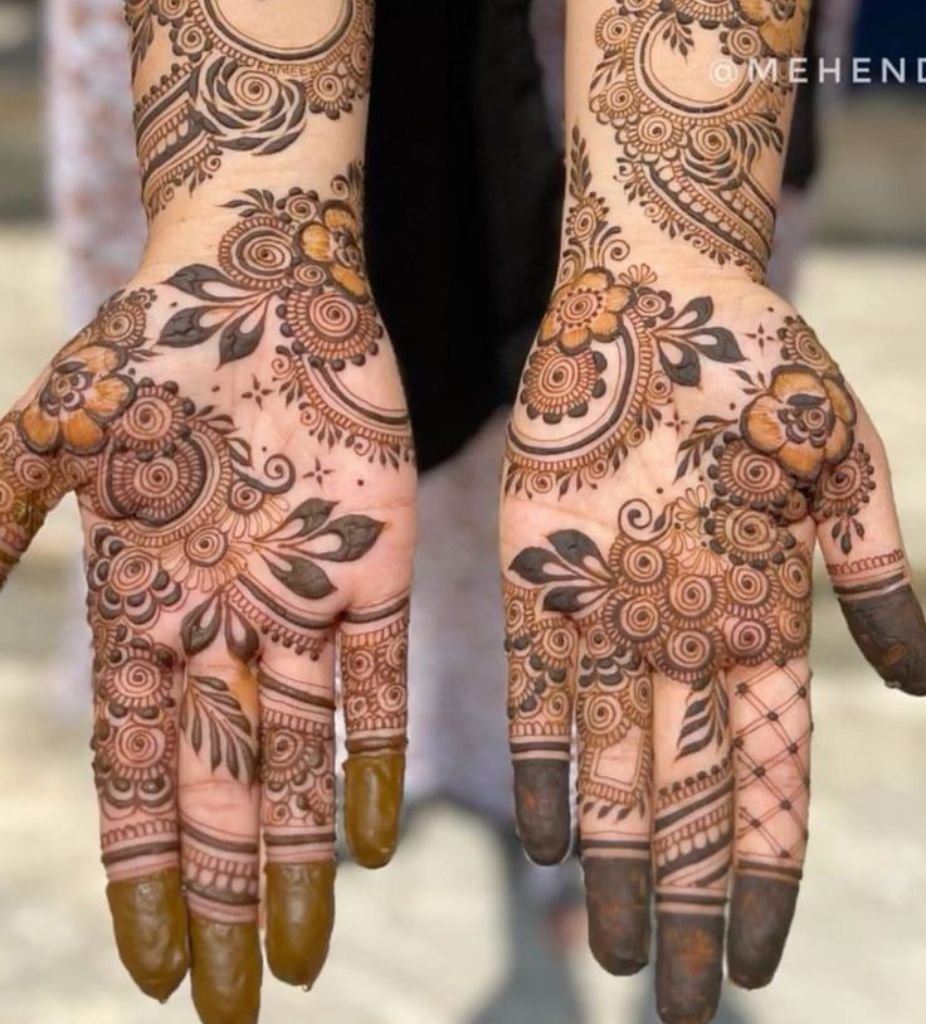
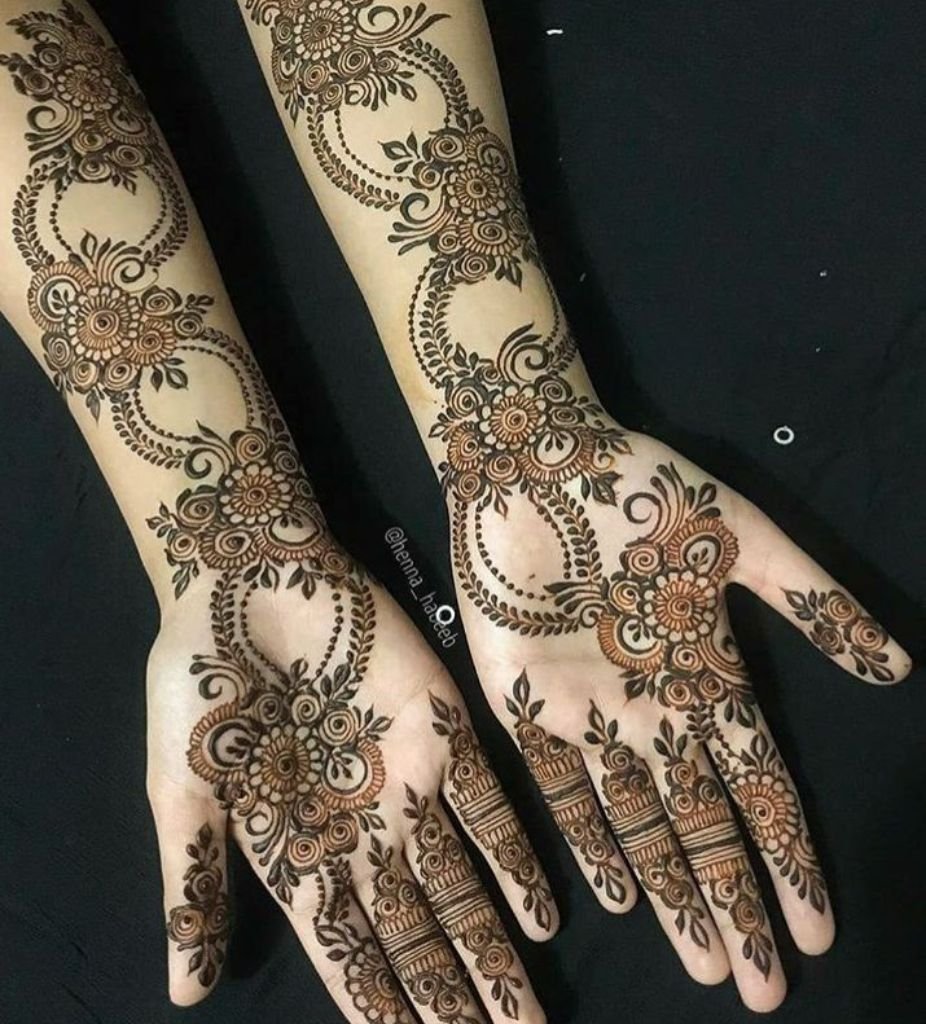
This style combines the best of both worlds. It uses the structural flow of an Arabick bridel mehndi design but fills the internal motifs with the fine, intricate “jali” (net) work common in Indian henna. It’s perfect for brides who want the boldness of Arabic art without sacrificing the traditional “full hand” feel.
4. 3D Shaded Henna Art
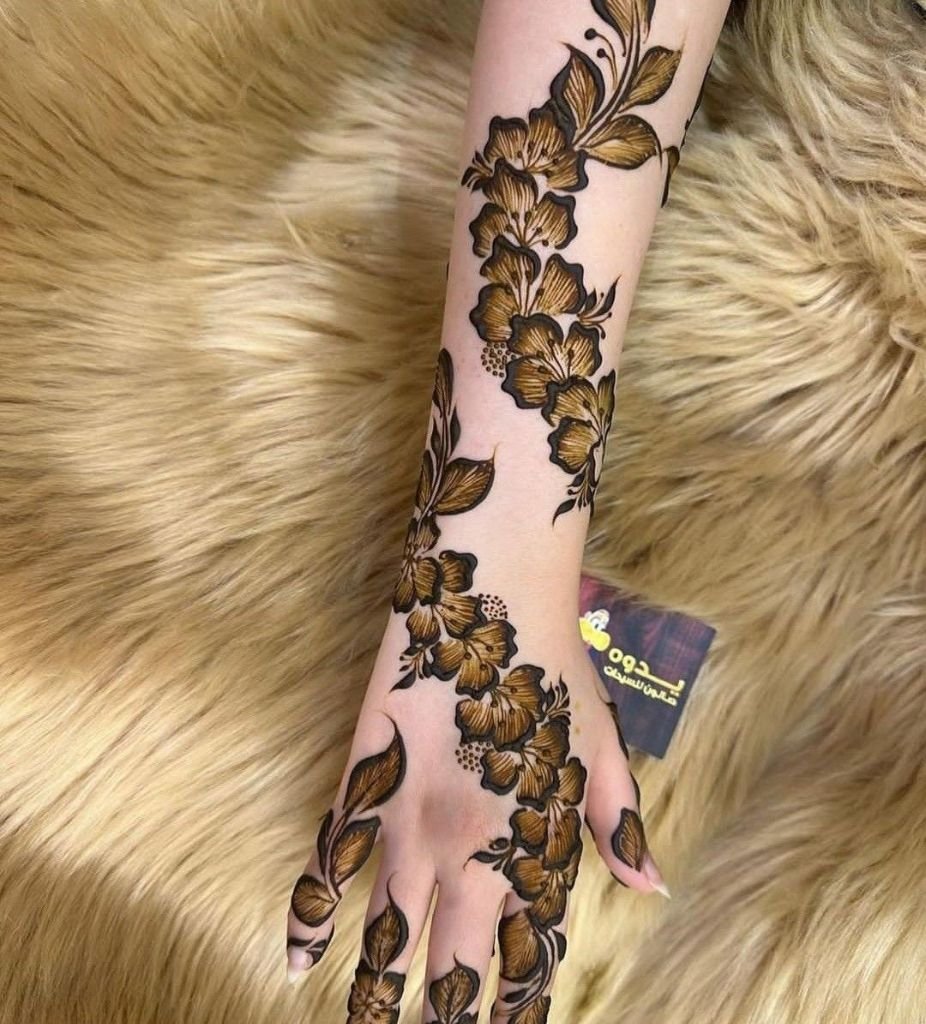
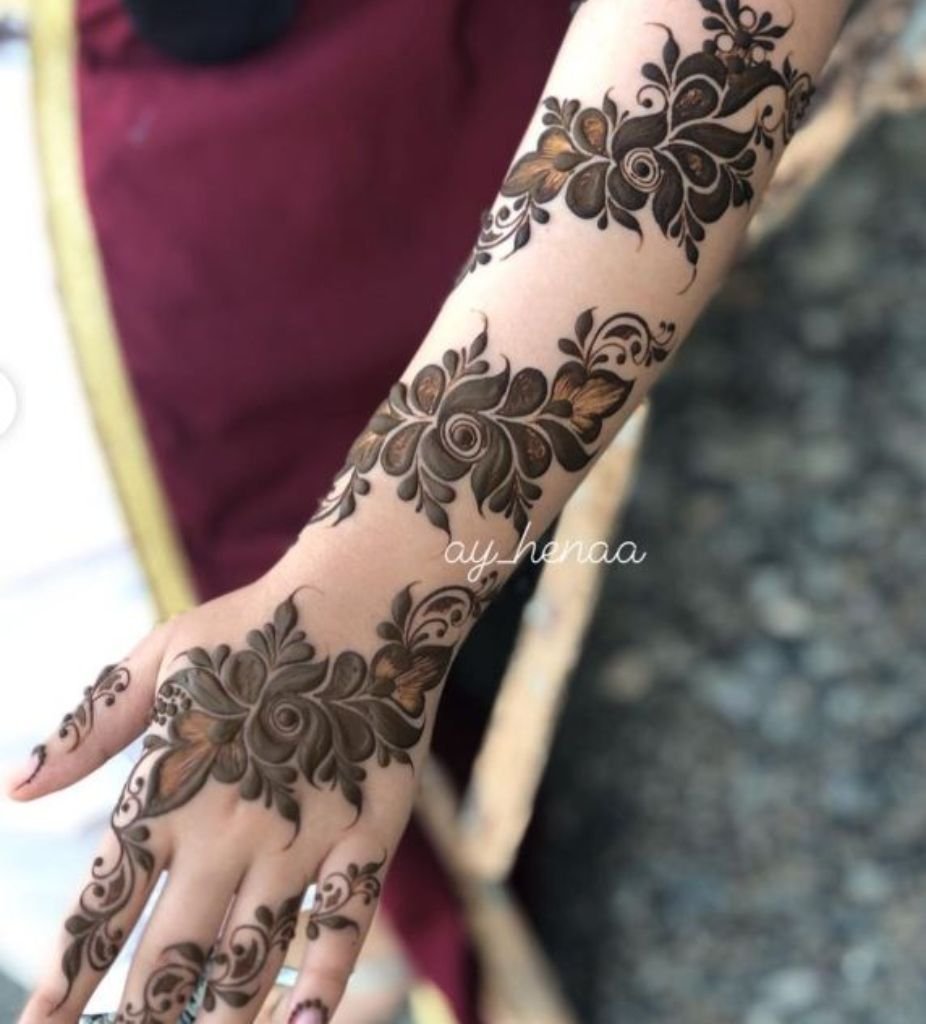
Shading is a revolutionary technique in the world of henna. By using different pressure levels and “smudging” techniques, artists create a three dimensional effect. The petals look like they are lifting off the skin, making the Arabick bridel mehndi design look like a living piece of art.
Front Hand vs. Back Hand Placement
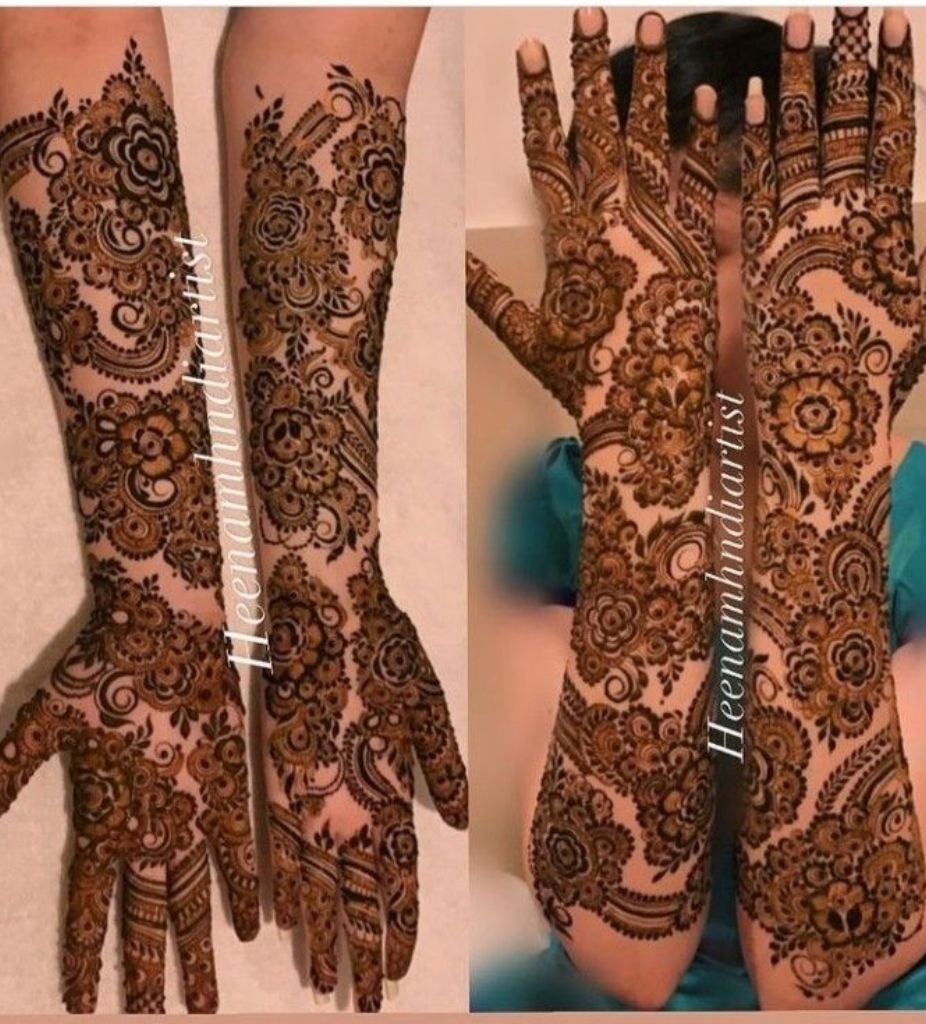
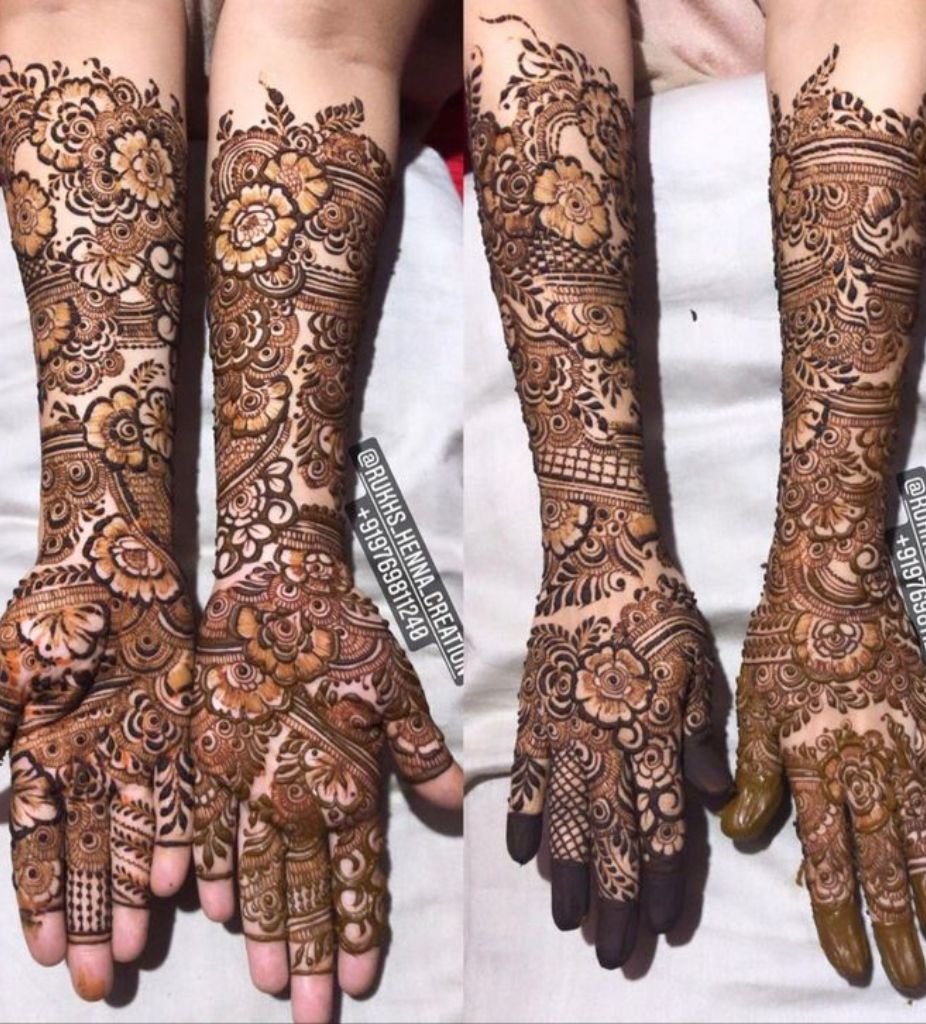
To achieve a balanced look, the placement of the design is crucial.
- Front Hand (Palms): Brides usually prefer slightly heavier patterns on their palms. A central mandala or a large peacock motif surrounded by Arabic vines ensures that the most photographed part of the hand looks breathtaking.
- Back Hand: This is where the Arabic bridal mehndi design truly shines. Elegant, diagonal vines that stretch from the index finger to the side of the wrist create an elongating effect, making the hands look slender and graceful in close up ring shots.
Pro Tips for a Dark, Long Lasting Bridal Stain
Even the most beautiful Arabic bridal mehndi design can fall flat if the color isn’t rich and deep. To ensure a dark mahogany or near black stain for your big day, follow these expert tips:
- Preparation is Key: Ensure your hands are exfoliated and free of lotions or oils before the artist begins. Oil acts as a barrier, preventing the henna from soaking into the skin.
- The Lemon Sugar Seal: Once the henna starts to dry, dabbing a mixture of lemon juice and sugar helps the paste stick to the skin longer, allowing the dye to penetrate deeper.
- Clove Steam (Laung ki Dhuni): After removing the dried paste, warm some cloves on a pan and let the smoke touch your hands. This traditional method is proven to darken the stain significantly.
- Avoid Water: Keep your hands away from water for at least 12 to 24 hours. Use a scraping tool or a butter knife to remove the dried henna rather than washing it off.
- Natural Vicks or Mustard Oil: After removing the paste, apply a thin layer of Vicks VapoRub or mustard oil. The heat generated by these substances helps in intensifying the color.
Conclusion: Choosing the Design That Reflects You
Your wedding day is a reflection of your personality. Whether you choose a bold, traditional Khaleeji pattern or a delicate, minimalist jewelry style, the perfect Arabic bridal mehndi design is the one that makes you feel like the best version of yourself.
In 2026, the trend is all about confidence and clean lines. Don’t be afraid to experiment with negative space and 3D shading. Remember, the beauty of Arabic henna lies in its elegance and the way it complements rather than hides the natural beauty of the bride’s hands.